How Dealership Dispatching Works: The Role of the Service Dispatcher
What Is a Service Dispatcher?
The dispatcher is the central coordinator of a dealership service department.
While service advisors communicate with customers and technicians perform repairs, the dispatcher is responsible for directing repair orders to the right technician at the right time while maintaining overall shop productivity.
The dispatcher's primary objective is to keep work moving through the service department efficiently while balancing technician workload, available shop capacity, promised completion times, and technician skill levels.
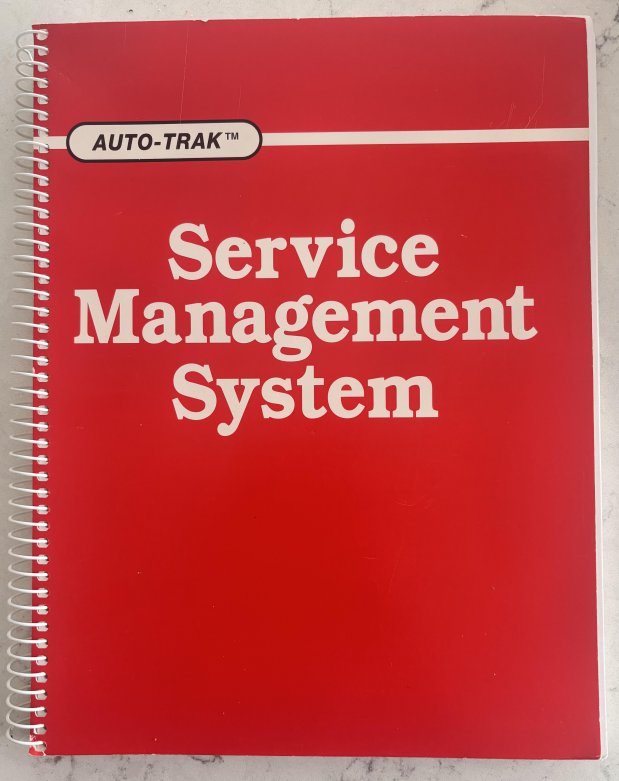
Auto-Trak Service Management System
By Norm Lee
This article is adapted from original dealership service management training materials developed by ShopTrak founder Norm Lee. The concepts have been updated with modern examples and dealership workflows.
Why Dispatching Matters
Every dealership service department performs some form of dispatching, whether formally or informally.
As repair volume increases, assigning work becomes more complex. Without a dedicated process for routing repair orders, service departments often experience:
- Uneven technician workload
- Missed promised completion times
- Increased vehicle cycle time
- Reduced technician productivity
- Excess idle time between assignments
Effective dispatching helps maximize shop throughput while improving customer satisfaction and technician efficiency.
When Does a Dealership Need a Full-Time Dispatcher?
According to traditional dealership operating guidelines, dispatching becomes increasingly important as repair order volume grows.
Typical benchmarks:
| Daily Repair Orders | Recommended Approach |
|---|---|
| 10–25 | Service manager or foreman often handles dispatching |
| 20–50 | Dedicated dispatch responsibility becomes valuable |
| 50+ | Full-time dispatcher is typically justified |
Modern dealerships often reach this threshold even sooner due to increased vehicle complexity and customer expectations.
Core Responsibilities of a Dispatcher
A dispatcher's responsibilities typically include:
- Assigning work to qualified technicians
- Monitoring repair progress
- Managing carryover work from previous days
- Prioritizing appointment customers
- Maintaining balanced technician workload
- Tracking shop capacity
- Coordinating with service advisors
- Monitoring promised completion times
- Managing technician productivity
- Keeping management informed of workload conditions
At its core, dispatching is the process of matching available work with available technician capacity.
The Goal: Keep Work Moving
The most important concept in dispatching is maintaining continuous workflow.
A productive service department minimizes the time between repair assignments and ensures technicians always have their next job ready when current work is completed.
The dispatcher serves as the traffic controller responsible for maintaining that flow throughout the day.
How Modern Dispatching Software Helps
Historically, dispatchers used:
- Loading charts
- Dispatch boards
- Repair order racks
- Paper schedules
- Time tickets
Today, digital dispatch systems provide:
- Real-time technician schedules
- Capacity planning
- Workload balancing
- Appointment visibility
- Carryover management
- Promise-time tracking
- Multi-day scheduling
The underlying principles remain unchanged. Only the tools have evolved.

Norm Lee
Founder, ShopTrak
Over a 60-year career in dealership operations, training, workflow management, and service department productivity, Norm Lee developed dispatching systems and operational methods used by dealerships throughout North America. Many of the articles in this Resource Center are adapted from his original training materials.
From the ShopTrak Archives
The Auto-Trak Service Management System
The original dealership dispatching, technician loading, and workflow management training materials written by ShopTrak founder Norm Lee.
View All Resources →Continue Reading