How to Balance Technician Workload in a Dealership Service Department
Balancing technician workload is one of the most important responsibilities in dealership service operations.
When workload becomes uneven, some technicians are overloaded while others sit idle. The result is lower productivity, missed promise times, and reduced profitability.
Effective workload balancing ensures that available work is distributed appropriately across the entire shop.
Why Workload Balancing Matters
Many service departments experience workload imbalances throughout the day.
Common symptoms include:
- One technician booked several days out
- Another technician waiting for work
- Long repair delays
- Missed completion commitments
- Uneven productivity levels
Without active workload management, capacity often exists within the shop but remains underutilized.
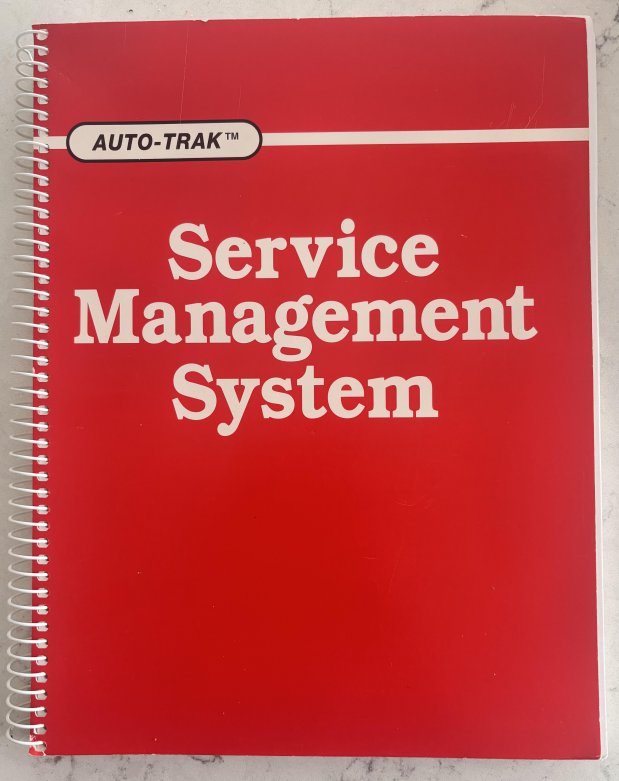
Auto-Trak Service Management System
By Norm Lee
This article is adapted from original dealership service management training materials developed by ShopTrak founder Norm Lee. The concepts have been updated with modern examples and dealership workflows.
Factors to Consider When Assigning Work
Technician Skill Level. Not every technician should receive every repair order.
- Advanced diagnostics → Typically A-level technicians
- Engine and transmission work → Experienced technicians
- Maintenance services → Appropriate for a broader range of technicians
- Specialized repairs → Technicians with relevant expertise
Matching work to skill level improves efficiency and repair quality.
Available Capacity. Dispatchers must understand:
- Current technician workload
- Remaining available hours
- Existing commitments
- Future scheduled work
The goal is to avoid overloading some technicians while leaving others underutilized.
Promised Completion Times. Promise times should influence scheduling decisions. Jobs with earlier delivery commitments may require priority placement even if they are not the largest repairs in the shop.
Job Size. Many experienced dispatchers follow a "big jobs first" philosophy. Large repairs often require more scheduling flexibility and may be more difficult to place later in the day. Smaller jobs can frequently be used to fill open gaps in technician schedules.
Common Workload Balancing Mistakes
Assigning Everything to Top Producers. Many shops unintentionally overload their strongest technicians. While high performers are often capable of handling more work, excessive concentration creates bottlenecks elsewhere in the department.
Ignoring Future Capacity. Focusing only on today's schedule can create problems tomorrow. Effective dispatchers continuously monitor upcoming workload and future commitments.
Failing to Monitor Progress. Schedules rarely unfold exactly as planned. Repairs may take longer than expected, parts may be delayed, or additional work may be discovered. Workload balancing requires ongoing adjustments throughout the day.
How Modern Dispatch Software Helps
Modern dispatch systems provide visibility that paper systems cannot.
Features often include:
- Technician timelines
- Capacity calculations
- Workload comparisons
- Multi-day scheduling
- Drag-and-drop adjustments
- Promise-time tracking
These tools help dispatchers make more informed decisions while maintaining balanced workloads.
Final Thoughts
Balancing technician workload is both an art and a science.
The goal is not simply assigning work. It is maximizing the productivity of the entire service department while maintaining quality, efficiency, and customer satisfaction.

Norm Lee
Founder, ShopTrak
Over a 60-year career in dealership operations, training, workflow management, and service department productivity, Norm Lee developed dispatching systems and operational methods used by dealerships throughout North America. Many of the articles in this Resource Center are adapted from his original training materials.
From the ShopTrak Archives
The Auto-Trak Service Management System
The original dealership dispatching, technician loading, and workflow management training materials written by ShopTrak founder Norm Lee.
View All Resources →Continue Reading